
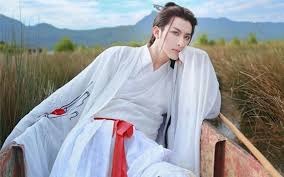
In recent years, the resurgence of traditional Chinese clothing has captured the imagination of fashion enthusiasts worldwide. Among these garments, the Hanfu—a symbol of China’s rich cultural heritage—has seen a remarkable revival. Originally worn by the Han Chinese before Western-style clothing became dominant, Hanfu is now experiencing a renaissance, with modern interpretations bringing fresh perspectives to this ancient attire.
The renewed interest in Hanfu can be attributed to several factors. Globalization and increased cultural exchanges have piqued curiosity about traditional cultures, while social media platforms have provided a stage for showcasing these beautiful garments to an international audience. Moreover, there is a growing desire among younger generations to reconnect with their roots and express national pride through fashion.
Modern interpretations of men’s hanfu male are characterized by innovative designs that blend tradition with contemporary elements. Designers today are experimenting with fabrics, colors, and patterns that were not traditionally associated with Hanfu but add a unique flair to each piece. For instance, modern materials such as denim or synthetic fibers are being used alongside traditional silk and cotton blends. This fusion creates garments that retain the elegance of classic Hanfu while offering durability and comfort suitable for everyday wear.
The silhouette of men’s Hanfu has also evolved over time. While maintaining its signature flowing lines and layered structure, contemporary designers often incorporate tailored cuts or asymmetrical hems to add a touch of modernity. These changes make the garment more versatile and adaptable to various occasions—from casual outings to formal events—thereby broadening its appeal.
Color palettes in modern men’s Hanfu collections have expanded significantly beyond the conventional reds, blues, and whites commonly seen in historical pieces. Designers now explore bold hues like emerald green or deep burgundy alongside muted pastels such as lavender or peach. This diversity allows wearers greater freedom in expressing personal style while still honoring traditional aesthetics.
Accessories play an important role in completing the look of modern men’s Hanfu ensembles. Traditional hats like futou (幞头) may be replaced or complemented by more contemporary headwear options such as fedoras or flat caps for an eclectic mix-and-match approach that resonates well with today’s fashion-forward individuals.
Ultimately, these modern interpretations reflect a new era where tradition meets innovation—a testament to how historical garments like men’s Hanfu can evolve without losing their essence or significance. As more people embrace this trend globally, it becomes clear that this ancient attire continues to inspire creativity while fostering cultural appreciation across generations.