When you first unbox your new iPhone, it comes with a suite of default settings that aim to provide a balanced experience for the average user. However, these default settings may not be optimal for everyone. By tweaking certain settings, you can enhance privacy, improve battery life, and make your device more efficient.
One of the first adjustments to consider involves location services. While it’s helpful for apps like Maps or Weather to know your location, many other apps request this data unnecessarily. Go into Settings > Privacy & Security > Location Services and review which apps have access to your location. Set them to “While Using” or turn them off entirely if they don’t need it. This change not only protects your privacy but also conserves battery life.
Another important setting is Background App Refresh, which allows apps to update their content in get the facts background when you’re not using them. While this feature ensures you always have fresh content ready at hand, it can drain both data and battery power quickly. Navigate to Settings > General > Background App Refresh and selectively disable it for apps that don’t require constant updates.
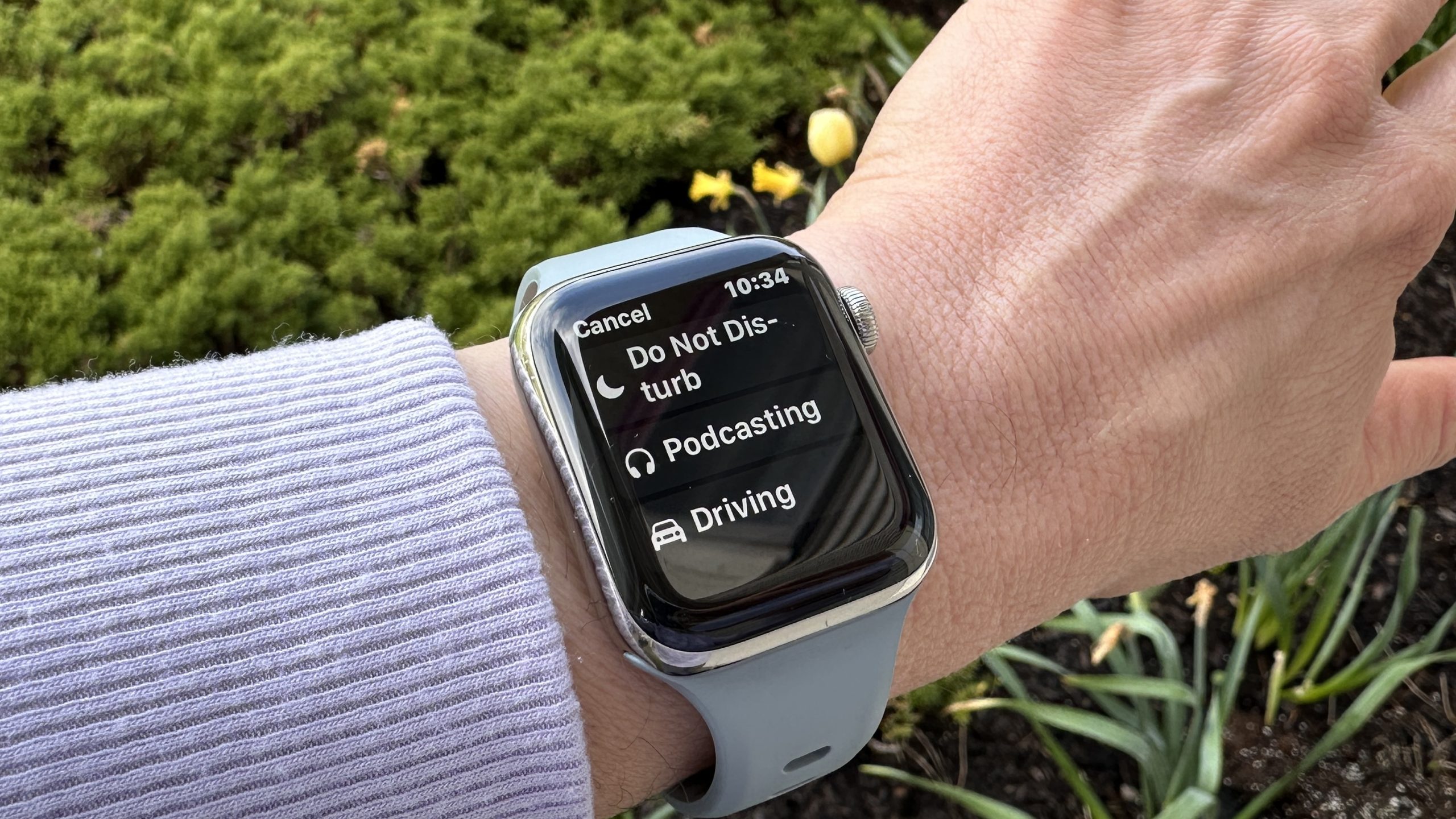
On the topic of notifications, managing how and when you receive alerts can significantly reduce distractions and help maintain focus throughout the day. Head over to Settings > Notifications where you can customize notification preferences on an app-by-app basis—choosing whether they appear on the lock screen or as banners—and decide if sound alerts are necessary.
The display settings also offer room for optimization; enabling Dark Mode is one such option that reduces eye strain in low-light conditions while potentially saving battery life on OLED screens like those found in recent iPhone models. Simply go to Settings > Display & Brightness and switch from Light Mode to Dark Mode according to your preference.
Furthermore, enhancing security should be a priority; ensure Face ID or Touch ID is activated by going into Settings > Face ID & Passcode (or Touch ID & Passcode) depending on your model—this adds an extra layer of protection beyond just having a passcode set up.
Lastly, take advantage of automatic updates by visiting Settings > General > Software Update and toggling Automatic Updates on so that critical security patches are installed promptly without manual intervention—keeping your device secure against potential vulnerabilities.
By altering these key settings tailored specifically around personal usage patterns and priorities regarding privacy protection or resource conservation needs—you’ll find yourself enjoying an enhanced iPhone experience that’s better aligned with what matters most individually rather than relying solely upon Apple’s generic defaults designed for mass appeal across diverse users globally.