
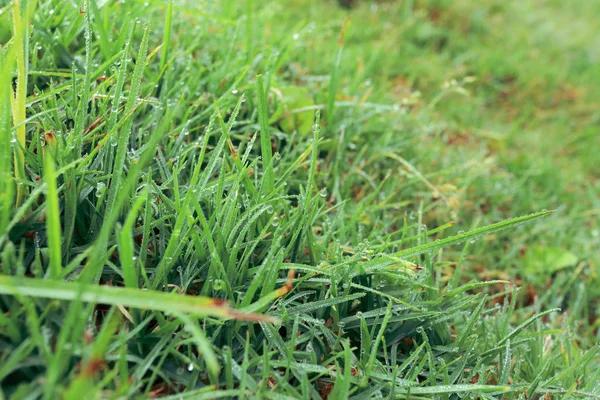
Crabgrass is a common and persistent weed that can quickly take over lawns, creating an uneven and unsightly appearance. Preventing crabgrass before it emerges is the most effective way to maintain a healthy, weed-free lawn. Pre-emergent herbicides are designed to stop crabgrass seeds from germinating, providing a crucial line of defense during the early growing season. Applying these products at the right time and in the correct manner ensures optimal results and supports overall lawn health.
The timing of pre-emergent application plays a vital role in controlling crabgrass. It should be applied before soil temperatures consistently reach around 55 degrees Fahrenheit because this temperature triggers crabgrass seed germination. Typically, this occurs in early spring but may vary depending on geographic location and climate conditions. Monitoring local soil temperatures or observing natural indicators such as blooming forsythia can help determine the best time for treatment.
Choosing an appropriate pre-emergent product requires understanding its active ingredients and how they interact with your specific grass type. Common pre-emergents include pendimethalin, prodiamine, dithiopyr, and oxadiazon. Each has unique properties regarding effectiveness duration and safety for various turfgrasses like Kentucky bluegrass, fescue, or Bermuda grass. Reading product labels carefully ensures compatibility with your lawn species while avoiding damage to desirable plants.
Proper application techniques enhance the efficacy of pre-emergent herbicides. Even distribution across the entire lawn prevents untreated patches where crabgrass might establish itself later on. Using spreaders calibrated according to manufacturer recommendations helps achieve uniform coverage without over-application that could harm beneficial grasses or nearby plants. Watering immediately after applying activates the herbicide by moving it into the soil where seeds begin their growth cycle.
In addition to chemical controls, cultural practices contribute significantly to preventing crabgrass invasion. Maintaining dense turf through regular mowing at recommended heights reduces open spaces where weeds thrive by shading out seedlings before they develop fully. Fertilizing appropriately encourages strong root systems capable of competing against invasive species naturally rather than relying solely on chemicals.
Integrated approaches combining timely use of pre-emergents with sound lawn care habits create resilient landscapes less prone to weed problems overall. Regular monitoring throughout spring and summer allows early detection if any crabgrass escapes prevention efforts so spot treatments can be applied promptly without widespread damage or excessive chemical use.
A healthier weed-free lawn depends largely on proactive strategies centered around preventing issues rather than reacting after establishment occurs. Pre-Emergent Crabgrass Control solutions provide an essential tool within comprehensive maintenance programs aimed at sustaining attractive green spaces year-round while minimizing environmental impact through targeted interventions tailored specifically for each property’s needs.