In the world of HVAC troubleshooting, distinguishing between refrigerant undercharge and airflow issues is crucial for accurate diagnosis and efficient repair. Both problems can cause similar symptoms, such as reduced cooling performance and system inefficiency, yet their causes and solutions differ significantly. Understanding how to identify each condition ensures that technicians address the root cause rather than applying ineffective fixes.
Refrigerant undercharge occurs when there is insufficient refrigerant in the system, often due to leaks or improper charging during installation or maintenance. This shortage prevents the air conditioning unit from absorbing heat effectively, leading to inadequate cooling capacity. When a system is undercharged, the evaporator coil may freeze up because low refrigerant levels reduce pressure inside the coil, causing temperatures to drop below freezing. Additionally, an undercharged system typically results in higher energy consumption since the compressor works harder trying to maintain desired temperatures with less refrigerant available.
Airflow problems stem from restrictions or imbalances in how air moves through an HVAC system. Common causes include dirty air filters, blocked ducts, malfunctioning fans or blowers, and closed vents. Poor airflow can lead to uneven temperature distribution within a space and strain on components like coils and compressors. Unlike refrigerant issues that affect chemical get more comprehensive information processes inside the unit, airflow concerns impact physical movement of air necessary for heat exchange.
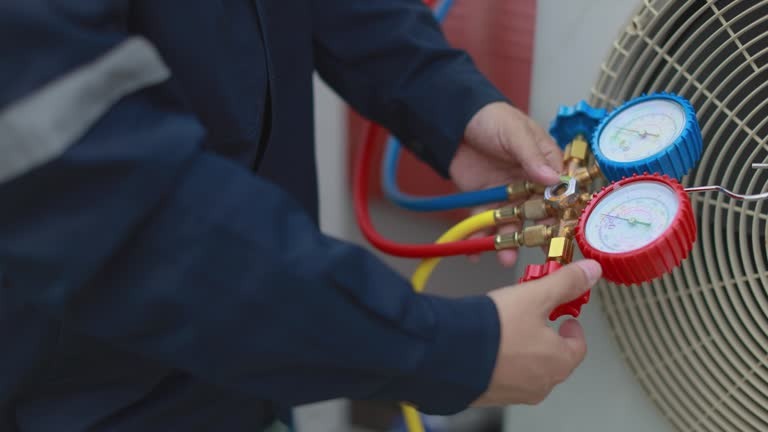
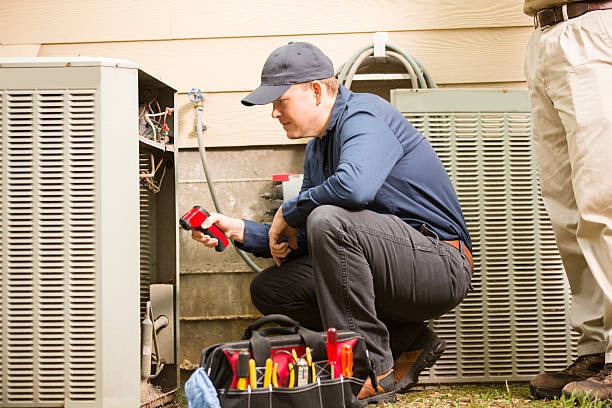
To differentiate between these two issues during troubleshooting requires careful observation of symptoms alongside diagnostic testing tools such as pressure gauges and airflow meters. For example, if a technician notices frost buildup on evaporator coils combined with low suction pressure readings on gauges but normal blower operation and clean filters, it points toward a refrigerant undercharge situation. Conversely, if pressures appear normal but airflow measurements are below specification or visual inspection reveals clogged filters or obstructed ducts, then restricted airflow is likely responsible.
Both conditions can coexist sometimes; an undercharged system may develop ice accumulation that further restricts airflow around coils while poor ventilation reduces overall efficiency contributing indirectly to refrigerant performance problems. Therefore thorough inspection should include checking for leaks using electronic detectors or dye tests along with assessing duct integrity and filter cleanliness.
Corrective actions vary based on diagnosis: adding proper amounts of refrigerant after repairing leaks resolves undercharging whereas cleaning filters replacing damaged ductwork adjusting fan speeds improves airflow issues without altering chemical charge levels inside equipment.
In summary identifying whether cooling inefficiencies arise from refrigerant shortages versus inadequate air movement demands systematic evaluation combining symptom recognition with technical measurements. Accurate distinction avoids unnecessary repairs saves time costs prolongs equipment life ensuring comfortable indoor environments remain consistent throughout seasonal changes in demand patterns faced by modern HVAC systems worldwide today.