
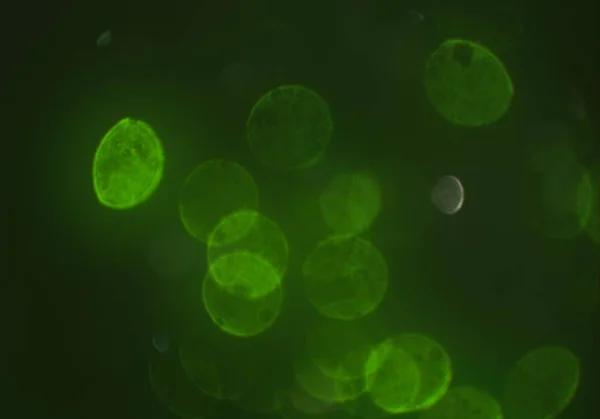
Advancements in genetic research and molecular biology have placed increasing demands on the tools used for delivering nucleic acids such as DNA and RNA into cells. Transfection reagents play a crucial role in this process, enabling scientists to introduce genetic material efficiently and safely to study gene function, produce proteins, or develop therapeutic strategies. The next generation of transfection reagents focuses on improving accuracy, efficiency, and cell viability while minimizing toxicity and off-target effects.
Traditional transfection methods often face challenges including low delivery efficiency, cytotoxicity, and inconsistent results across different cell types. These limitations can hinder experimental reproducibility and reduce the reliability of data obtained from gene expression studies or gene editing applications. click to find out address these issues, researchers have developed novel reagents that combine advanced chemical formulations with optimized delivery mechanisms tailored to various cellular environments.
One significant improvement in next-generation transfection reagents is their enhanced ability to protect nucleic acids during delivery. By employing sophisticated encapsulation techniques or forming stable complexes with nucleic acids, these reagents prevent premature degradation by enzymes present in the extracellular environment. This protection ensures that DNA or RNA molecules reach their intracellular targets intact, leading to higher functional expression levels after transfection.
Moreover, new formulations are designed to promote efficient endosomal escape once inside the cell. After uptake through endocytosis, nucleic acids must escape from endosomes before degradation occurs in lysosomes. Innovative lipid-or polymer-based materials incorporated into modern transfection agents facilitate this release step more effectively than earlier generations did. As a result, delivered genetic material becomes available within the cytoplasm or nucleus more rapidly and at greater quantities.
Another critical advancement involves reducing cytotoxicity associated with transfection procedures. Many early reagents caused significant cell stress or death due to harsh chemical components or excessive dosage requirements. Next-generation products utilize biocompatible materials that maintain high delivery performance while preserving cell health over extended periods post-transfection. This feature is particularly important for sensitive primary cells or stem cells frequently used in translational research.
In addition to improved safety profiles and efficiency gains, newer transfection reagents offer versatility across diverse experimental setups. They support a broad range of payloads including plasmid DNA for gene overexpression; small interfering RNA (siRNA) for gene silencing; messenger RNA (mRNA) for transient protein production; and CRISPR-Cas9 components for genome editing purposes. Compatibility with multiple cell lines further enhances their utility in both basic science laboratories and clinical research settings.
Overall, next-generation transfection reagents represent a meaningful leap forward by combining precise delivery capabilities with minimal adverse effects on target cells. Their development reflects ongoing efforts toward achieving reliable control over genetic manipulation techniques essential for understanding complex biological processes as well as advancing therapeutic development pipelines worldwide.