Commercial painters face a variety of challenges when handling complex painting jobs, requiring a combination of skill, experience, and careful planning. These projects often involve large-scale surfaces, intricate architectural details, or specialized materials that demand more than just basic painting techniques. To manage such tasks effectively, commercial painters begin by conducting thorough assessments of the site to understand its unique requirements. This initial evaluation helps them identify potential obstacles like uneven surfaces, environmental conditions, or structural limitations that could affect the quality and durability of the paint job.
Once the assessment is complete, commercial painters develop detailed plans outlining each step of the process. This includes selecting appropriate materials such as primers, paints, and coatings designed for specific substrates or exposure conditions. For example, industrial buildings may require high-performance coatings resistant to chemicals or extreme weather. Painters also consider factors like drying times and compatibility with existing finishes to ensure a seamless application.
Painter
Preparation plays a crucial role in achieving professional results on complex projects. Commercial painters meticulously clean surfaces to remove dirt, grease, and old paint layers that might interfere with adhesion. In some cases, they repair cracks or fill gaps using specialized compounds before starting the actual painting work. Proper preparation easthampton painter not only enhances aesthetic appeal but also extends the longevity of the finish.
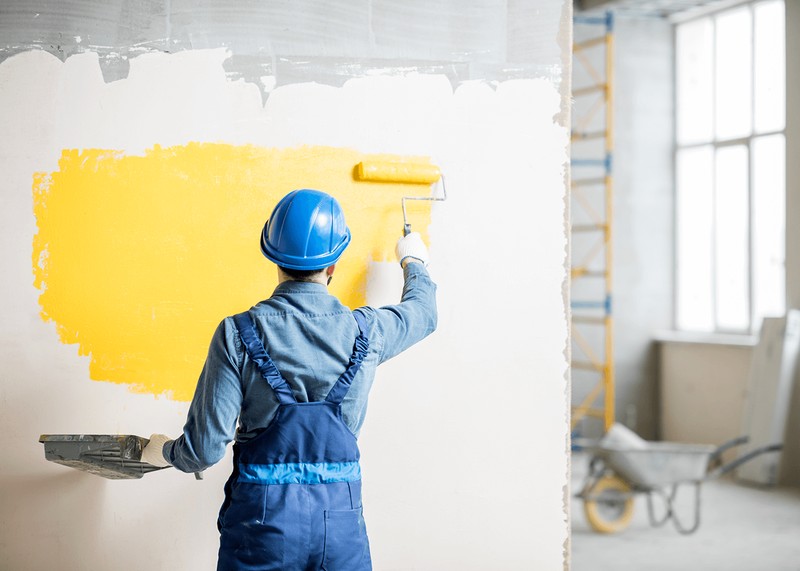
During application, commercial painters employ advanced techniques tailored to each project’s demands. They may use spray equipment for even coverage over expansive walls or brushes and rollers for detailed trim work where precision is essential. Safety measures are strictly observed throughout this phase; workers utilize scaffolding systems or aerial lifts when working at heights while adhering to industry regulations regarding protective gear and ventilation.
Quality control remains an ongoing priority from start to finish in complex painting jobs. Experienced supervisors regularly inspect progress to detect any inconsistencies in color uniformity or texture early on so corrections can be made promptly without compromising deadlines. Additionally, many commercial painting companies invest in modern technology such as digital color matching tools that guarantee exact shades requested by clients.
After completing the main coats, painters apply finishing touches including sealants or protective layers that shield painted surfaces against wear and tear caused by foot traffic or environmental exposure over time. Finally, cleanup involves removing masking tape carefully along edges without damaging fresh paint along with disposing of waste responsibly according to local regulations.
Overall, commercial painters approach complex jobs through meticulous planning combined with technical expertise and adherence to safety standards ensuring durable results meeting client expectations across various industries ranging from retail spaces to manufacturing facilities.
Willard and Ward Pro Painting
Easthampton, Ma 01027
413-240-4545