
In the competitive real estate market, homeowners continually seek ways to enhance their property’s appeal and value. One innovative solution gaining traction is the installation of mini-split systems. These modern HVAC units not only improve comfort but also potentially increase a home’s market attractiveness.
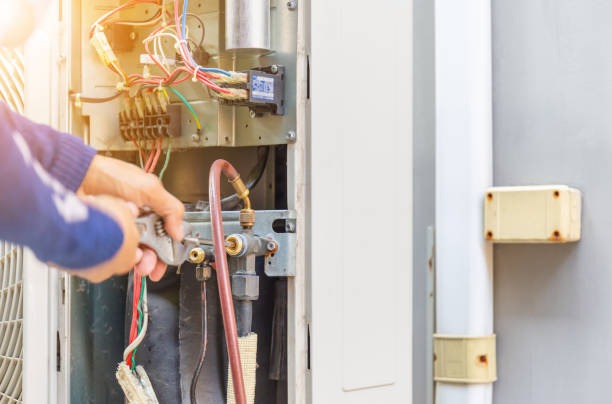
Mini splits, or ductless mini-split systems, are heating and cooling solutions that offer an alternative to traditional central air systems. They consist of an outdoor compressor unit connected to one or more indoor air-handling units by a conduit housing power cables, refrigerant tubing, and a condensate drain. This setup allows for flexible installation options without the need for extensive ductwork.
One significant advantage of mini splits is their energy efficiency. Unlike conventional HVAC systems that can lose up to 30% of energy through ducts, mini splits deliver conditioned air directly into rooms, minimizing energy wastage. This efficiency translates into lower utility bills—an appealing feature for potential buyers who are increasingly conscious of long-term operational costs.
Moreover, mini splits provide zoned heating learn the ins and outs cooling capabilities. Homeowners can control temperatures in individual rooms independently rather than relying on a single thermostat for the entire house. This level of control enhances comfort and further contributes to energy savings by allowing occupants to adjust settings based on occupancy patterns—a particularly attractive feature in larger homes with varying usage needs.
Aesthetically speaking, mini-split units are designed with sleekness in mind and offer various styles that blend seamlessly with interior decor. The unobtrusive design appeals to buyers looking for modern amenities without sacrificing aesthetics.
Despite these advantages, some may worry about initial installation costs associated with mini splits compared to traditional HVAC systems. However, it’s essential to consider the long-term financial benefits they offer through reduced energy consumption and maintenance expenses over time.
Additionally, as environmental concerns become more prevalent among consumers today, properties equipped with eco-friendly technologies like mini splits often stand out in listings. Buyers inclined toward sustainability appreciate homes that already incorporate green solutions—potentially making such properties sell faster at competitive prices.
Furthermore, installing a reliable climate control system addresses common buyer concerns related to outdated or inefficient heating and cooling methods found in older homes—a factor that could otherwise deter interest or lead negotiations toward price reductions during sales discussions.
In conclusion, while several factors influence property value and marketability beyond HVAC choices alone—such as location or overall condition—the integration of advanced features like mini-split systems undeniably enhances appeal by offering prospective buyers improved comfort levels alongside economic incentives rooted in sustainability principles; thus positioning your home favorably within today’s discerning marketplace landscape.