Maintaining an air conditioning system after a repair is crucial to ensuring its longevity and efficiency. Once your AC unit has been repaired, it’s essential to adopt a proactive approach to prevent future breakdowns. By following a few simple yet effective maintenance practices, you can keep your system running smoothly and avoid costly repairs down the line.
Firstly, regular filter replacement is vital. The filter in your AC unit plays a significant role in maintaining indoor air quality and ensuring efficient airflow. After any repair work, make it a habit to check the filters monthly and replace them as needed. A clogged or dirty filter can strain the system, reduce efficiency, and lead click to explore further issues.
Next, pay attention to the outdoor unit of your air conditioner. Ensure that there are no obstructions around it that could impede airflow. Leaves, debris, or overgrown vegetation can block the unit’s vents and reduce its efficiency. Regularly clean around the unit and trim any nearby plants or bushes.
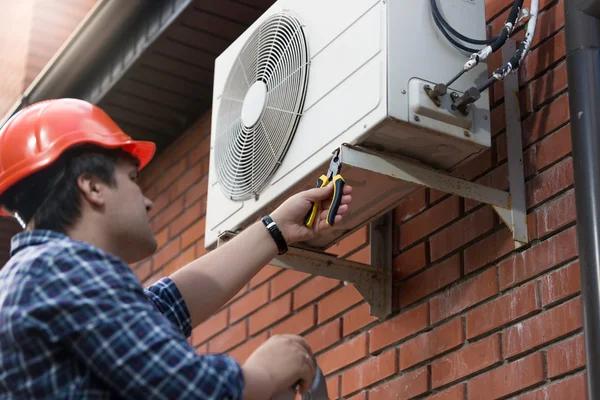
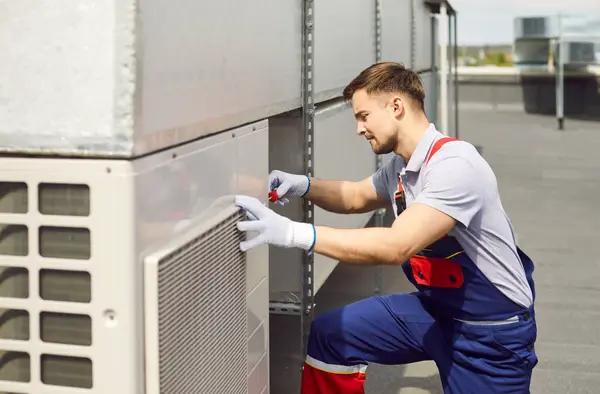
Additionally, scheduling routine professional maintenance checks is essential for preventing future problems. Even after a repair has been completed successfully, having an HVAC technician inspect your system at least once or twice a year can identify potential issues before they become major problems. These professionals have the expertise to spot worn-out parts or other concerns that may not be immediately apparent.
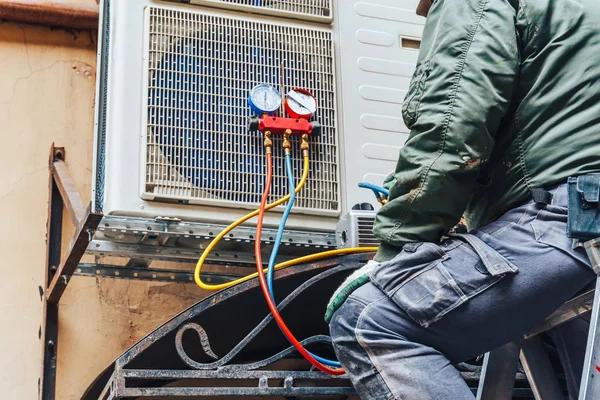
Monitoring refrigerant levels is another important aspect of post-repair maintenance. Low refrigerant levels can indicate leaks within the system which could have serious implications if left unaddressed. If you notice reduced cooling performance or hear unusual noises from your AC unit after repairs have been made, contact an HVAC professional promptly for evaluation.
Furthermore, consider investing in a programmable thermostat if you haven’t already done so; this device allows you more control over temperature settings throughout different times of day based on occupancy patterns – ultimately easing strain on both energy consumption costs as well as extending equipment lifespan by avoiding unnecessary usage during periods when nobody’s home!
Lastly but importantly: educate yourself about proper operation techniques!