Understanding the role of static pressure in HVAC repair services is crucial for ensuring optimal system performance and efficiency. Static pressure, often described as the resistance to airflow within a heating, ventilation, and air conditioning (HVAC) system, plays a significant role in determining how effectively an HVAC system operates. It is essential for technicians and homeowners alike to comprehend this concept to maintain and troubleshoot systems effectively.
Static pressure can be likened to blood pressure in the human body; just as high or low blood pressure can indicate health issues, improper static pressure levels can suggest problems within an HVAC system. When static pressure is too high, it means that there’s excessive resistance against the air moving through the ducts. This situation often arises from blockages or restrictions such as dirty filters, undersized ductwork, or closed dampers. High static pressure forces the blower motor to work harder than necessary, leading to increased energy consumption and premature wear on components.
Conversely, low static pressure indicates insufficient resistance which may result from leaky ducts or oversized ductwork allowing air to move too freely without adequate distribution throughout spaces. This condition can cause uneven temperatures across different areas of a building and reduce overall comfort while Bellevue HVAC Services potentially increasing energy costs due to inefficient operation.
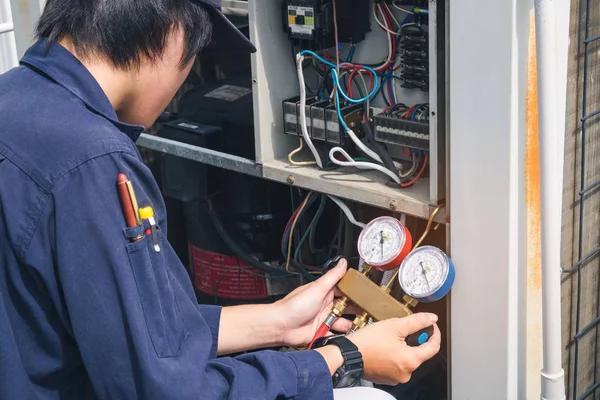
Technicians measure total external static pressure (TESP) using specialized tools like manometers during routine maintenance checks or when diagnosing issues with an existing setup. By assessing TESP values against manufacturer specifications for particular units/models being serviced/repaired/installed – professionals gain insight into whether adjustments need making regarding airflow management strategies employed therein accordingly thereafter forthwith henceforth etcetera ad infinitum!